
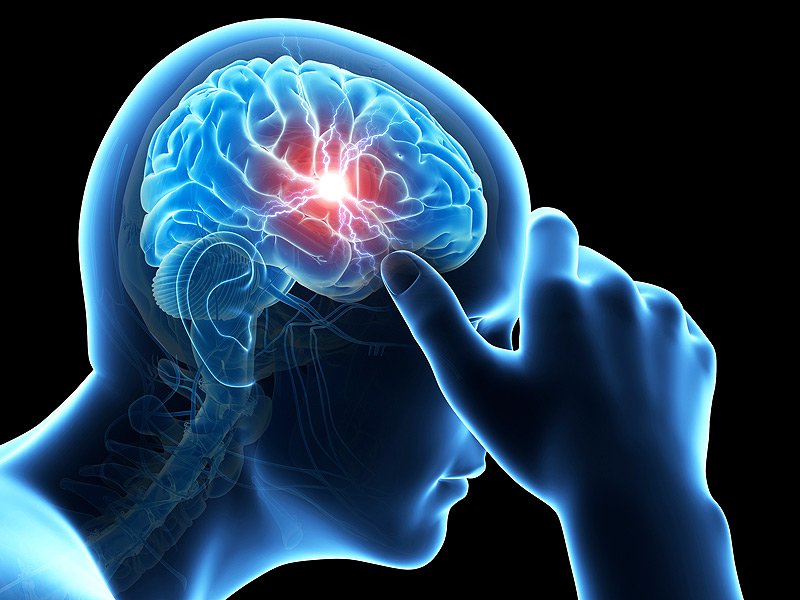
Now that many schools are in full-swing, so are all of the after-school sports, and with those sports comes the possibility of concussions. According to dosomething.org, in the United States, athletes suffer from roughly 300,000 concussions every year.
A concussion is a mild traumatic brain injury (TBI). It can occur after an impact to your head or after a whiplash-type injury that causes your head and brain to shake quickly back and forth. A concussion results in an altered mental state that may include becoming unconscious.
Anyone can become injured during a fall, car accident or any other daily activity. If you participate in impact sports such as football, boxing or hockey, you have an increased risk of getting a concussion. Concussions are usually not life-threatening, but they can cause serious symptoms that require medical treatment.
While many concussions resolve with proper care and rest, the effects can sometimes linger, impacting daily life, work, and overall well-being in ways that are not immediately visible. In situations where an injury occurs due to someone else’s negligence—whether during organized activities, unsafe conditions, or preventable accidents—it becomes important to understand your rights and the support available to you.
Seeking proper guidance can help ensure that medical needs, recovery time, and any associated challenges are fully acknowledged and addressed. Stories shared through this Facebook video highlight how individuals have navigated similar circumstances, offering insight into the importance of having knowledgeable support when dealing with the aftermath of an injury. With the right approach, individuals can focus on healing while also taking the necessary steps to secure fair consideration for the impact such injuries have had on their lives, both in the short term and beyond.
When accidents involve alcohol or drugs behind the wheel, the risks multiply faster than common sense disappears at last call. DUI-related crashes often lead to more severe injuries, including head trauma, because impaired drivers react slower, ignore road rules, and underestimate danger—an age-old recipe for disaster. A single poor decision can turn an ordinary commute into a life-altering event, leaving victims dealing with concussions, mounting medical bills, and the frustrating realization that it was all avoidable.
In these situations, accountability matters just as much as recovery. Navigating the legal aftermath of such accidents can feel like walking through fog after a blow to the head, which is why guidance from an experienced impaired driving lawyer Toronto becomes essential. While doctors focus on healing the body, the right legal support helps ensure justice is served, responsibilities are assigned where they belong, and victims aren’t left paying the price for someone else’s reckless moment. After all, society has long understood that driving sober isn’t a modern trend—it’s a timeless rule for staying alive.
Some injuries don’t end when the immediate danger passes—they settle in quietly and reshape daily life in ways most people never anticipate. A hard impact can leave lasting damage to the brain or body, while in more tragic circumstances, a life may be lost entirely. What begins as a single incident can stretch into years of medical care, lost income, and emotional strain that doesn’t ease with time.
In the middle of navigating that long road, https://phxinjurylaw.com/ becomes a useful place to understand how compensation works and what steps should follow. A capable personal injury lawyer steps in to make sure the full weight of the loss is recognized, not brushed aside or undervalued. The old way of looking at things still applies—when harm is done, it ought to be answered properly, and having someone who knows the system ensures that nothing important slips through the cracks.
The topic of concussions has gained quite a bit of attention in recent years due to professional athletes retiring early as a result of repeated concussions that can cause a variety of neurological disorders, most notably, chronic traumatic encephalopathy (CTE) which has been known to cause erratic behavior and even suicide.
The dangers of repeated concussions have long been known for boxers and wrestlers, a form of CTE common in these two sports, dementia pugilistica, was first described in 1928. An awareness of the risks of concussions in other sports began to grow in the 1990’s, and especially in the mid-2000’s, in both the medical and the sports communities, as a result of studies of the brains of prematurely deceased American football players, who showed extremely high incidence of CTE.
Symptoms of a concussion can vary depending on both the severity of the injury and the person injured. It’s not true that a loss of consciousness always occurs with a concussion. Some people do experience a loss of consciousness, but others don’t. The symptoms may begin immediately, or they may not develop for hours, days, weeks or even months following your injury.
Signs and Symptoms of concussion
Head trauma is very common in young children. Concussions can be difficult to recognize in infants and toddlers because they can’t describe how they feel.
Risk Factors
Diagnosis
Your doctor will evaluate your signs and symptoms, review your medical history and conduct a neurologic exam. As mentioned before, signs and symptoms of a concussion may not appear until hours or days after the injury. Here are a list of tests your doctor may perform or recommend:
Neurologic exam
Treatment